Moving to a new place is exciting, but it can also be a little confusing, especially when it comes to things like food stamps, also known as SNAP benefits. If you’re already getting help with groceries and you’re thinking about moving to another state, you’re probably wondering if you can still use your benefits. The answer isn’t always super simple, so let’s break it down and figure out how things work when it comes to using your food stamps in a new state.
Can I Use My Food Stamps in Another State Temporarily?
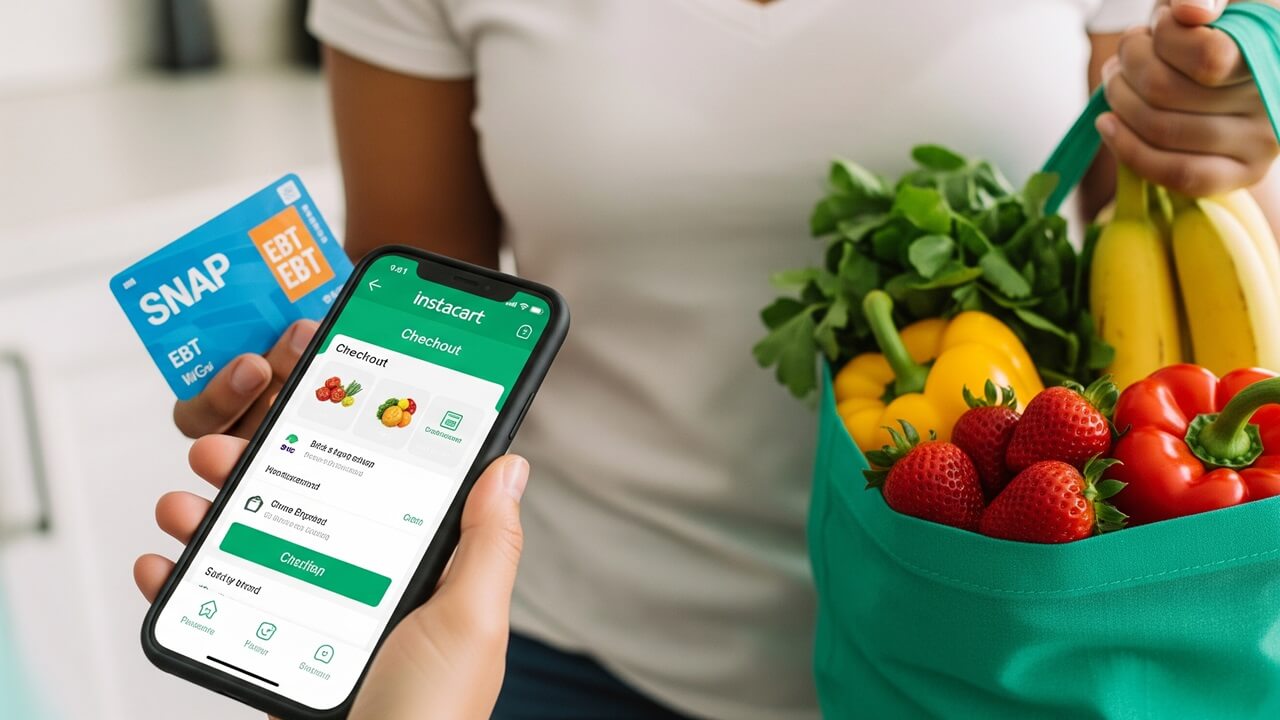
In most cases, you can use your food stamps in another state for a temporary visit, like a vacation or a trip to see family. This is because the Electronic Benefit Transfer (EBT) card system is designed to work across state lines. You can swipe your card at any store that accepts EBT in the United States, no matter what state you’re in. However, there are some things you should keep in mind.
First, it’s important to understand what “temporary” means. Usually, this means you’re just visiting. Staying for a few weeks or even a couple of months might be okay, but there’s no set amount of time. The rules are different for everyone. If you’re planning on staying for a while or making the move permanent, it gets a bit more complicated.
Keep in mind that if you’re using your food stamps out of state, it’s a good idea to keep your home state’s Department of Human Services aware of your situation. This is just so they can keep track of where you are. You don’t have to, but it’s just a good idea.
Also, if you start noticing any problems using your EBT card, be sure to call the phone number on the back of your card, or contact your home state’s Department of Human Services. They can help you figure out what’s going on and make sure your benefits are still working.
What Happens If I Move to a New State Permanently?
When you make the big move to a new state, things change a bit with your food stamps. You can’t just keep using your benefits from your old state forever. You’ll need to set things up with the new state’s SNAP program.
To get started, you’ll need to apply for SNAP benefits in the state you’re now living in. This application process can vary slightly from state to state, but generally, you’ll need to provide some basic information such as:
- Your address
- Your income
- Household members
- Social Security numbers
Once you apply, the new state will review your application and determine if you’re eligible for SNAP. If approved, you’ll start receiving benefits from your new state. This means you’ll eventually stop receiving them from your old state. It’s a simple process that is put in place to help with the system.
Here’s a quick breakdown of what you should do when you move:
- Notify your old state.
- Apply in your new state.
- Follow up on your application.
- Use your new EBT card.
How Long Does It Take to Transfer My Benefits?
The time it takes to transfer your food stamps from one state to another can vary. You can’t snap your fingers and magically have everything switched over. The time it takes usually depends on how quickly the new state processes your application.
Usually, the new state’s SNAP program needs to make a decision within 30 days from when they receive your application. That can seem like a long time when you’re waiting, but it’s a good rule of thumb.
There are a few things that can speed up the process, such as:
- Completing your application correctly and submitting all required documents.
- Responding quickly to any requests for information from the new state.
- Checking the status of your application regularly.
However, there can be delays, such as a backlog of applications or the need for verification of your information. Be patient and stay in touch with your caseworker in the new state if you have one.
Do I Need to Cancel My Food Stamps in My Old State?
Yes, it’s important to let your old state know that you’re moving. You may not have to formally cancel your food stamps, but notifying them will prevent any problems or confusion. They need to know that you’re not living in that state anymore so that they don’t accidentally send your benefits to the wrong place.
You should contact the SNAP office in your old state as soon as possible after you move. They’ll likely ask you for your new address and the date you moved. Providing this information lets them update their records and stop sending benefits to you.
If you don’t notify your old state, you might run into issues. For example, if you don’t report your move, your old state might think you’re still living there and that you’re receiving duplicate benefits. This could lead to problems like having to pay money back or even facing legal consequences.
Here is a simple table of things to do:
| Action | Who to Contact |
|---|---|
| Report Change of Address | Old State’s SNAP Office |
| Start New Application | New State’s SNAP Office |
What Documents Do I Need to Apply for SNAP in a New State?
To get your SNAP benefits set up in a new state, you’ll need to gather some documents. Having these ready before you apply can speed up the process. Different states might have slightly different requirements, but the basics are usually the same.
You’ll typically need to provide proof of identity, like a driver’s license or a state-issued ID card. They’ll also want proof of address. This could be a lease agreement, a utility bill, or a piece of mail. You’ll also need to show proof of your income, like pay stubs or tax returns.
If you have any other income sources, such as unemployment benefits or child support, you’ll need to provide documentation for those too. Also, they’ll want a Social Security card. The list might seem long, but gathering these documents beforehand can make the application process much smoother.
Here’s a quick list of common documents you’ll probably need:
- Photo ID
- Proof of Address
- Proof of Income
- Social Security Card
- Documentation of other Income
Can I Still Get SNAP If I’m Homeless?
Absolutely! If you’re experiencing homelessness, you can still apply for and receive SNAP benefits. Your lack of a fixed address won’t automatically disqualify you. SNAP is designed to help people in need, and that includes those without a home.
When you apply, you’ll need to provide an address where you can receive mail. This could be a shelter, a friend’s address, or a social services organization. Also, the state will likely want to know how you manage things, like income or any assistance programs you are involved in.
It’s important to know that your SNAP benefits can be used to buy food, even if you don’t have a place to cook. You can use your EBT card at grocery stores, farmers’ markets, and other approved retailers.
Check out this list for good ideas:
- Contact local homeless shelters.
- Talk to a social worker.
- Visit the Department of Social Services.
- Utilize any community resources.
What Happens If I Don’t Report My Move?
If you don’t tell your old state about your move and apply for benefits in your new state, you could face some problems. You might still be getting benefits from your old state, but they’ll be cut off if you don’t have a valid address. You also won’t get your new SNAP benefits either.
When the old state finds out you’ve moved, they might ask you to repay any benefits you received after you left. They could also consider it fraud, which could have legal consequences.
Additionally, if you’re still using your EBT card in your old state after you move, that will look suspicious. Using the benefits in the wrong state could lead to an investigation and penalties.
So, here’s what can happen if you don’t report your move:
- Benefits Cut Off
- Overpayment
- Legal Consequences
- Problems with Eligibility in the Future
In conclusion, knowing how food stamps work when you move to another state is super important. While you can use your EBT card temporarily in another state, you need to apply for benefits in your new state if you plan to live there permanently. Be sure to notify your old state, gather your documents, and understand the application process. By following these steps, you can make sure you keep getting the food assistance you need, even when you’re starting a new adventure in a new place.